In June 2026, the leading engineering-focused periodical in Denmark (Ingeniøren) ran an article exploring NNE’s efforts to shape the future of API pharma engineering through competitive manufacturing trends and technologies.
The content was in the form of a double interview in Danish with Lotte Vistisen, CVP of Process & Facility Design, and Thomas Sichmann, CVP of Automation & IT.
Enjoy!
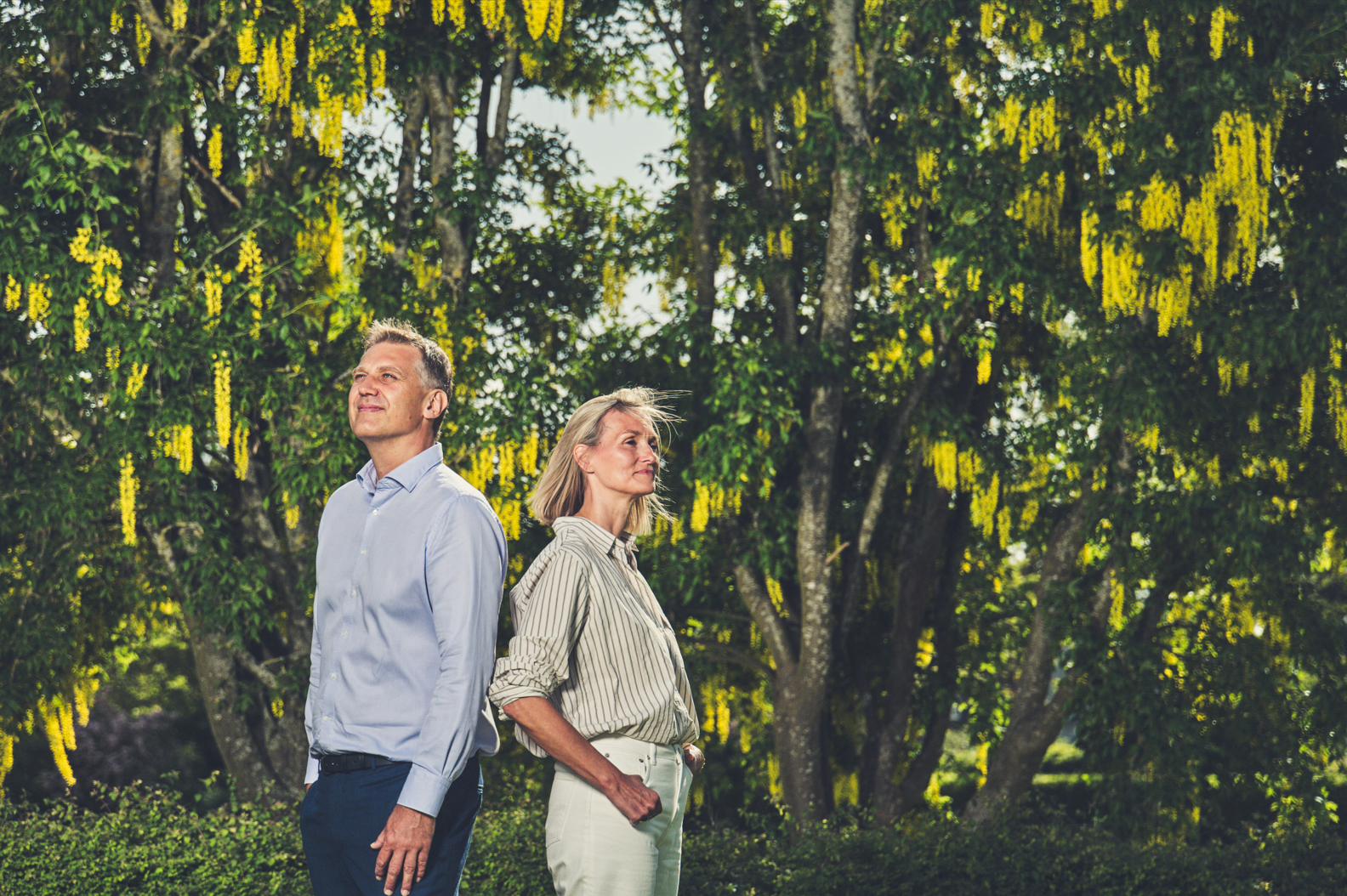
NNE, global provider of focused pharma engineering and API manufacturing facilities, is accelerating efforts to identify trends and emerging technologies. The company’s engineers must understand the full spectrum of new technologies enabling tomorrow’s pharma manufacturing facilities.
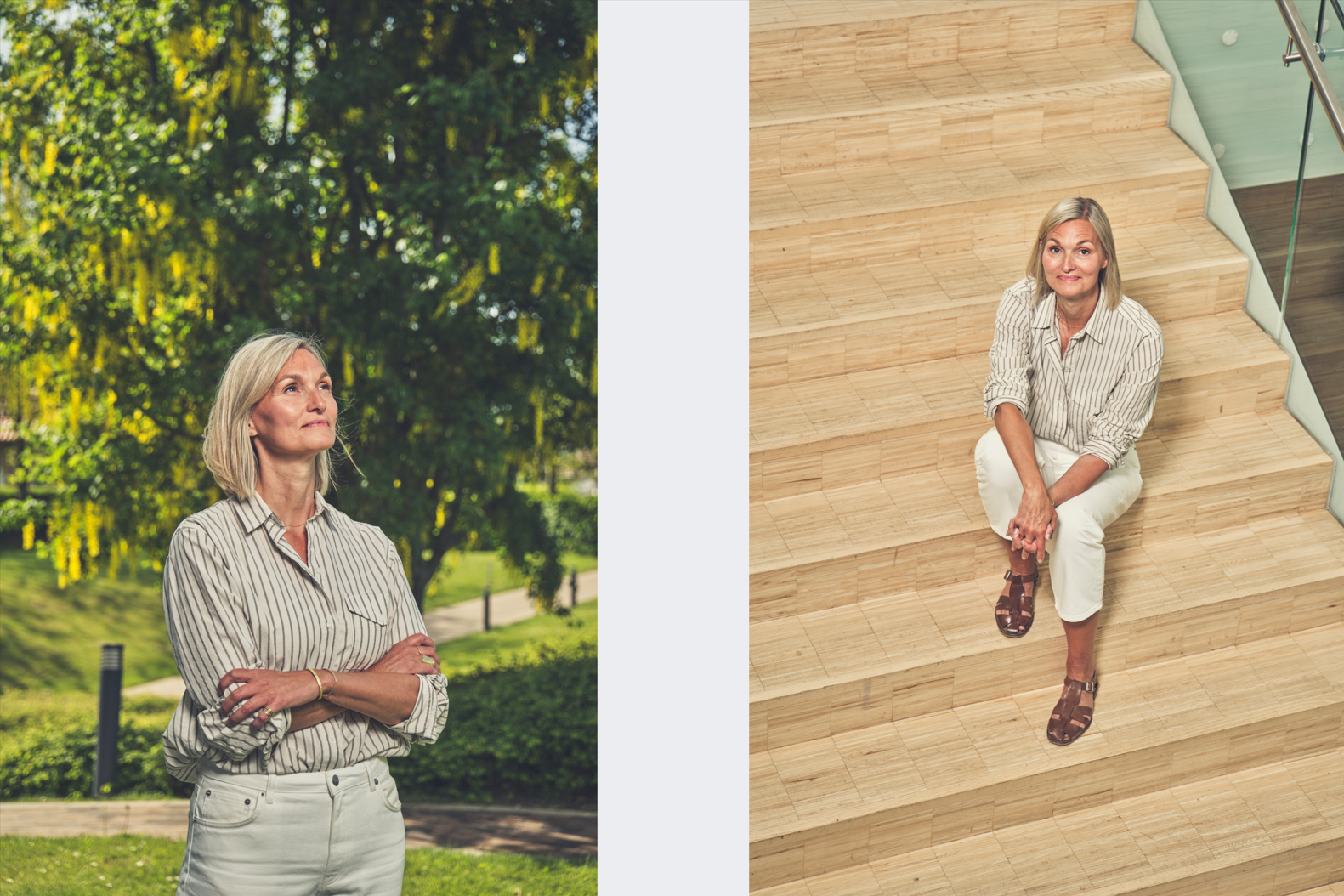
“We cannot risk being caught off guard when our customers ask whether we can integrate a specific new technology into a new build. We must always stay one step ahead,” says Lotte Vistisen, leading Process & Facility Design at NNE.
Together with Thomas Sichmann, leading NNE’s Automation & IT area, she is responsible for NNE’s new trends & technologies initiative.
The purpose of trends & technologies is to strengthen NNE’s ability to identify novel and existing trends and technologies relevant to the design of facilities manufacturing active pharmaceutical ingredients (API) used in oral and injectable medicines.
Anchored in engineering disciplines
Under the leadership of Lotte Vistisen and Thomas Sichmann, the initiative is firmly embedded within NNE’s core engineering disciplines Process & Facility Design and Automation & IT. This ensures the closest possible link to the expertise that is crucial for translating new ideas and concepts into practical solutions on the factory floor.
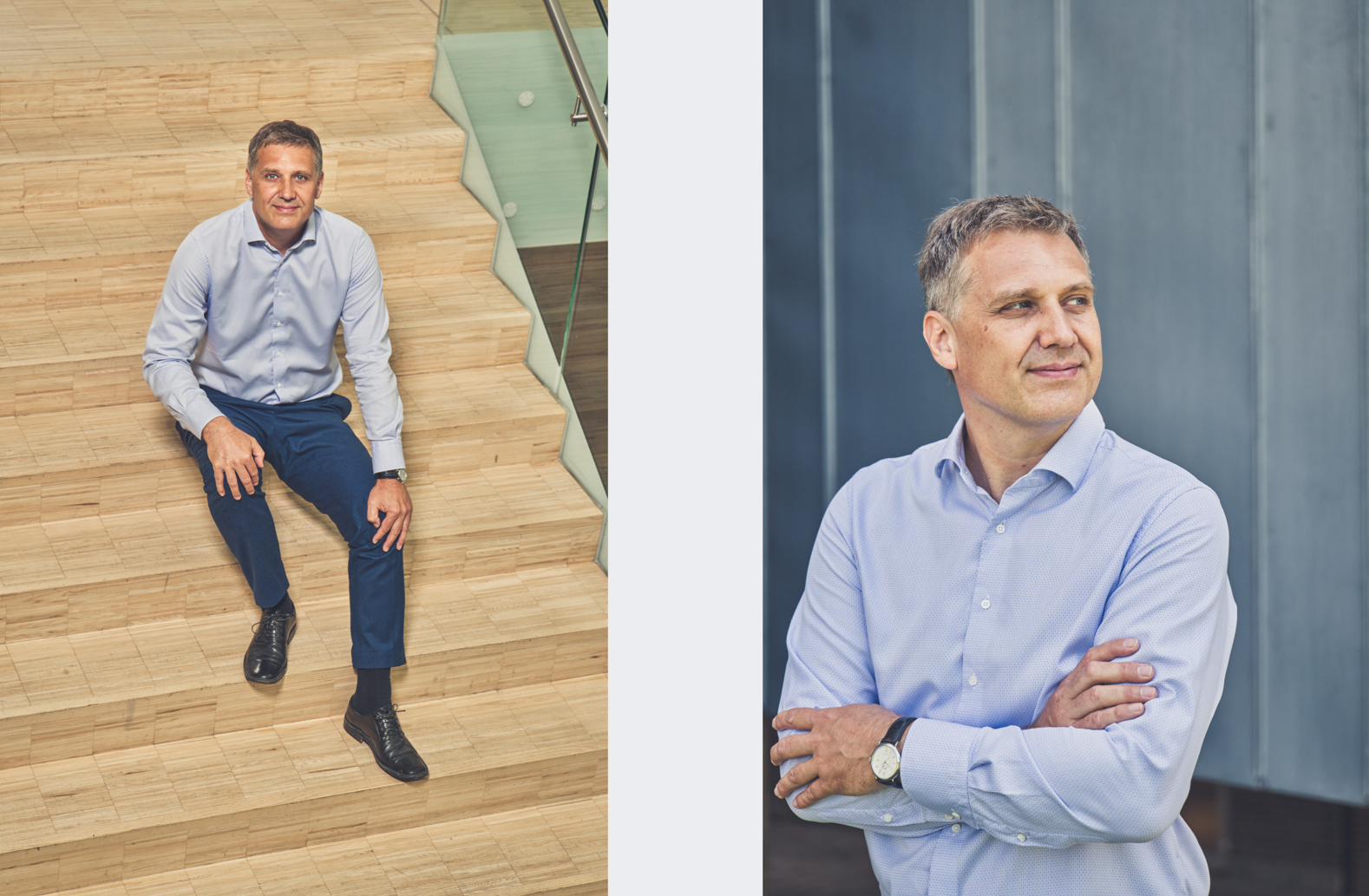
“NNE has always focused on innovation,” explains Thomas Sichmann. “We have tried different organisational approaches, including a separate unit dedicated to scouting new technologies. Now, we want to integrate this work as closely as possible into our engineering disciplines. We need to be close to where ideas emerge – whether internally or in dialogue with our customers.”
AI and simulation
NNE is currently tracking a range of technological developments, among which artificial intelligence is one key area with enormous potential. Here, the focus is not on how employees use AI to improve productivity, but on what AI can contribute to pharmaceutical production itself.
Simulation is another important area. The aim is to use simulations early in the process to optimise production design. This is sensible from a cost perspective, because the later a design change is made in a construction project, the more costly it tends to be.
Data-driven maintenance is yet another focus area, a consequence of the digital core in modern pharma factories. At the same time, robotics is increasingly integrated to replace manual tasks and increase the precision and efficiency of physical operations.
Greater inspiration for engineers
As a result of the trends & technologies work, NNE engineers are afforded better opportunities to acquire knowledge, gain inspiration from other industries and translate new technologies into a pharmaceutical context. Employees can also participate in development projects launched within the trends & technologies framework. Lotte Vistisen and Thomas Sichmann emphasise that these projects are initiated by NNE autonomously and not based on specific customer requests.
“We do this in order to be ready when the customer request comes,” explains Lotte Vistisen. “We explore new technologies and assess whether they deliver the benefits we expect. If they do, they become part of our design going forward.”
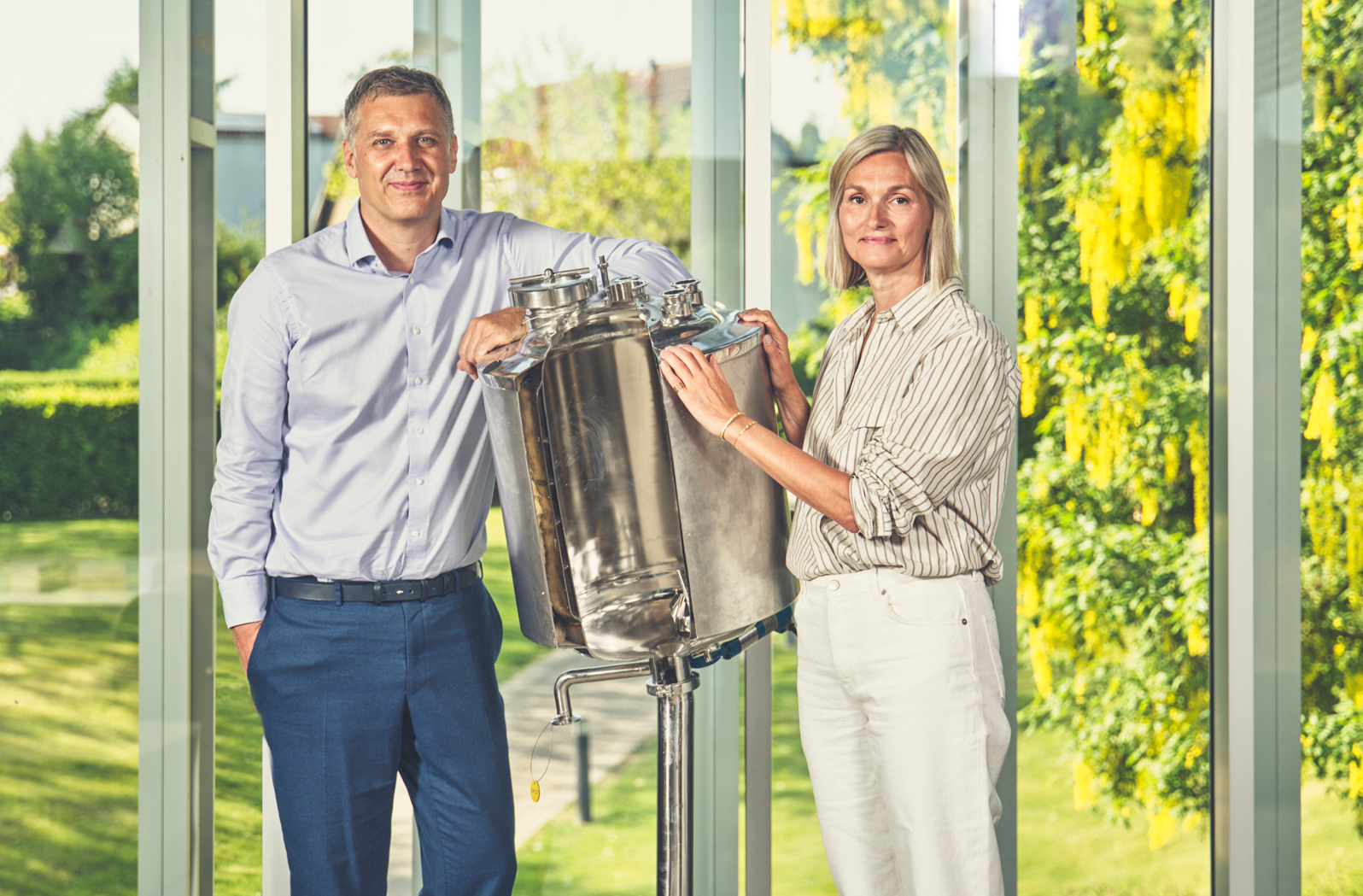
According to both leaders, it is important to understand that NNE does not conduct long-term research or R&D. Instead, the focus is on innovation: Taking technical solutions that are new to pharma or NNE’s customers and making them valuable for API production within a two- to three-year time frame. Rather than developing new robots or centrifugation methods, say, NNE develops engineering responses to new technologies.
These solutions must then be implementable within NNE’s engineering setup within a reasonable timeframe.
The decision-making board
At the core of trends & technology is a board consisting of technical leaders from both Process & Facility Design and Automation & IT. This board decides which ideas move forward into development projects.
“Technological development is moving fast,” says Thomas Sichmann. “There is a great deal of movement across the interdisciplinary engineering fields involved in designing a pharma facility. We must ensure that the projects we select are relevant to our industry and our customers – while at the same time staying ahead of our competitors.”
Ideas are assessed through a series of “lenses”. One of the first considers whether a new technology – identified at a conference, through university collaboration or during a supplier visit – is relevant for the pharmaceutical industry and for our customers.
Another important lens is regulatory. Here the question is how a new technology may be integrated into the complex regulatory framework that governs the pharmaceutical industry.
Closer to the customers
“We work with a set of selection criteria to ensure that the technologies we explore are always relevant to our customers,” says Lotte Vistisen.
A crucial element of the initiative is therefore even closer customer dialogues.
It is important to understand that NNE translates technology into solutions in order to strengthen the customer’s competitiveness and facilitate their strategic objectives. And this requires close dialogue, starting well before new factory projects are kicked off.
“We operate in a long-term industry. We call it tech transfer. It involves scaling – moving from small scale to large scale. We need to be part of that dialogue early and ensure that the solutions we develop on our own initiative also make sense for our customers,” says Thomas Sichmann.
Join the passion at NNE!
So NNE’s ambition is clear: To identify and master the trends and technologies that make a real difference for our customer – and thus shape the future of API pharma engineering. This requires efficient, robust and scalable technologies, sharp engineering solutions and the courage to test the unproven. NNE is therefore looking for more people who want to help translate new technologies into real-world solutions.
Click here to see our open positions.